Welcome back
Your courses
Pick up where you left off. Track results in My Progress.
Module 1 — General Principles of Pharmacology
1st Module, 5 courses. Study these connected foundation courses in the order shown — each one builds on the one before. You can reopen any course or lesson at any time; your Quick Recall results and My Progress show which concepts to revisit.
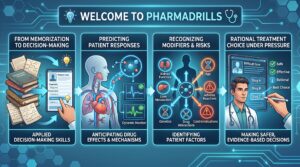
Introduction to Clinical Pharmacology
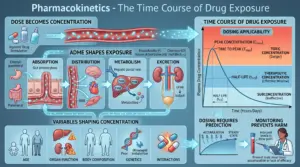
Pharmacokinetics
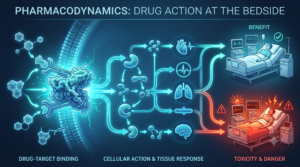
Pharmacodynamics
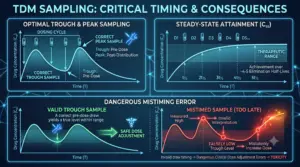
Pharmacogenomics & Therapeutic Drug Monitoring
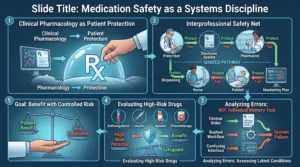
Medication Safety, Adverse Reactions & Pharmacovigilance
Additional courses
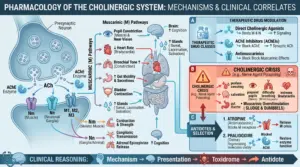
Autonomic Nervous System – Cholinergics
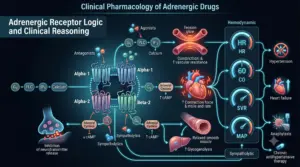
Adrenergic Drugs
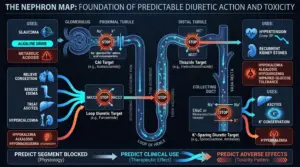
Diuretics
For medical, nursing & pharmacy students
Build clinical pharmacology knowledge. Practice therapeutic decision-making.
Focused lessons, retrieval practice and case-based clinical questions support pharmacology learning and therapeutic reasoning. The interactive activity below is a scripted preview; course-specific practice and feedback availability must be verified on the relevant course page.
- 1st Module, 5 courses
- Free during launch
- No credit card
Try a clinical reasoning question.
Review the answer rationale and follow-up study options.
- 80-year-old man
- CKD · CrCl 25 mL/min
- Pneumonia
Renal function and antibiotic dosing
An antibiotic eliminated mainly by the kidneys is being considered. Which value is most relevant when checking its renal dosing recommendations?
Choose an answer to explore this scripted feedback example.
Interactive learning preview with scripted tutor responses. For education; not a patient-specific dosing recommendation.
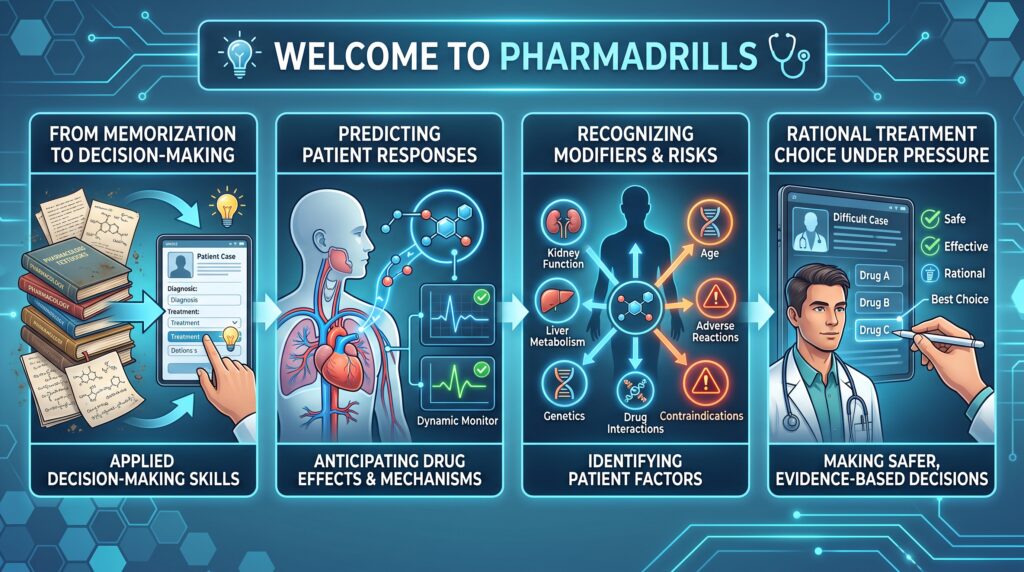
The clinical reasoning chain
Connect drug mechanisms to patient-specific decisions.
Clinical reasoning connects drug mechanisms and pharmacokinetics with patient factors, anticipated benefit, adverse effects and monitoring. Case-based questions provide opportunities to practice these decisions.
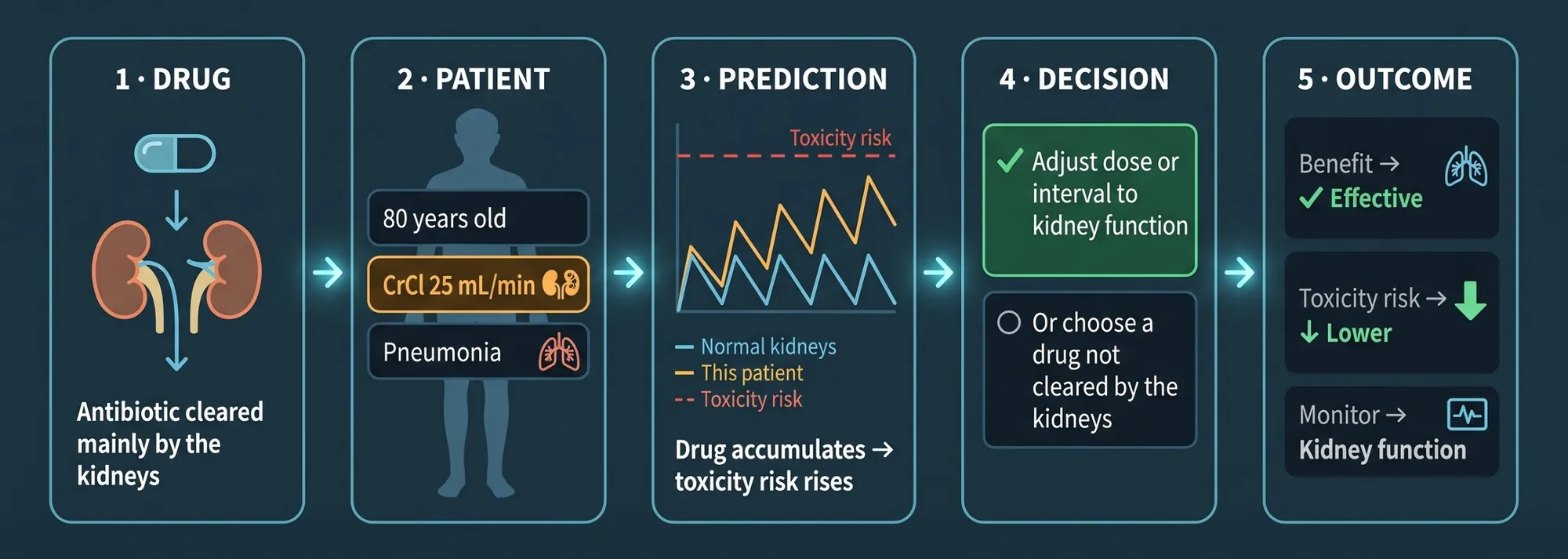
Illustrative example that shows the reasoning pattern. It is not dosing guidance.
Deliberate practice and targeted review
Use assessment feedback to guide further practice.
Retrieve a concept, apply it to a case and review the answer rationale. Use your results to identify learning gaps, revisit the relevant lesson and repeat available practice. Follow-up questions vary by course.
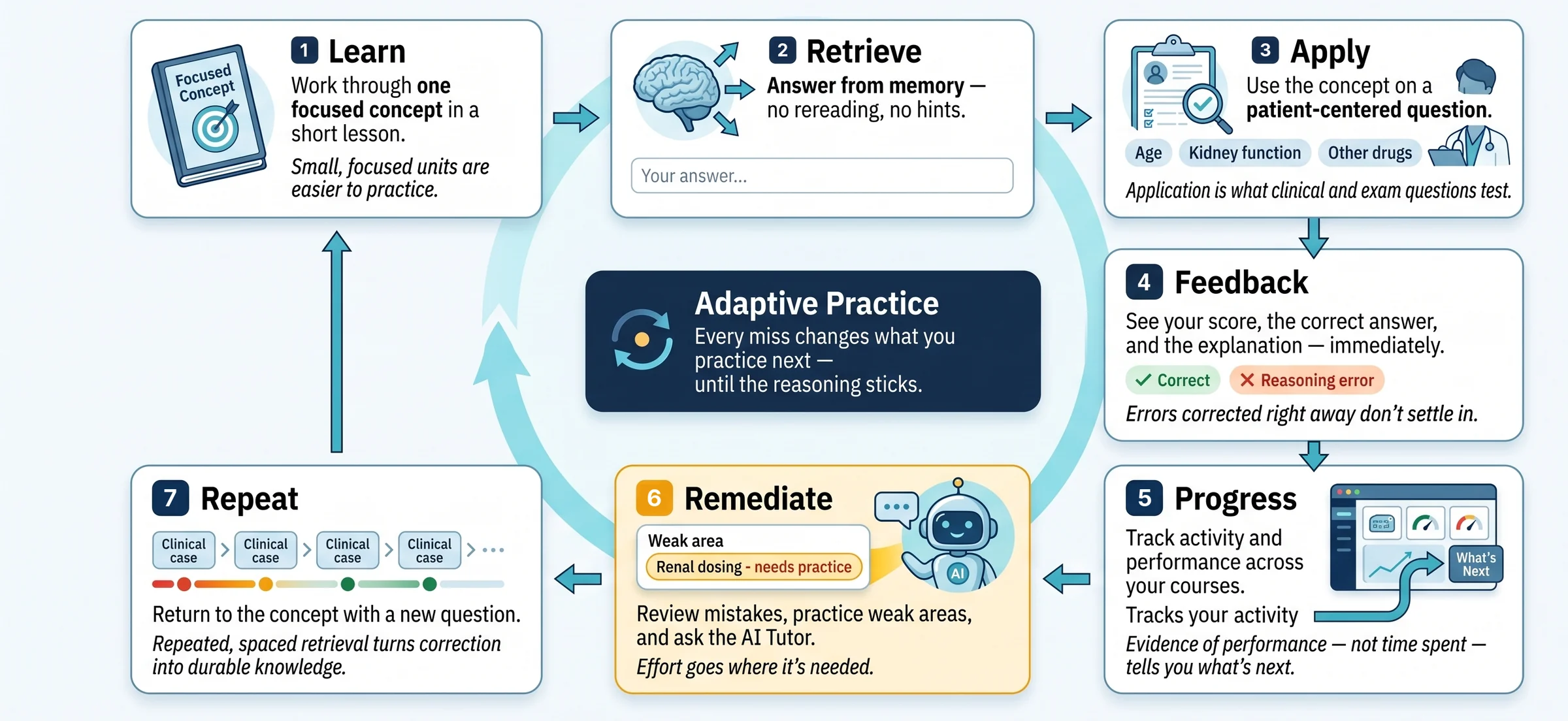
Tutor-guided review example
See how guided review can connect a question to a lesson.
The example below illustrates a lesson-grounded explanation after a missed question. It is a scripted product preview; tutor availability and scope are course-specific and must be verified before promotion.
Illustrative study support only — not a clinical reference or patient-specific recommendation.
Examine the answer rationale and return to the relevant lesson section.
Learning objectives
Practice retrieval, case analysis and self-assessment.
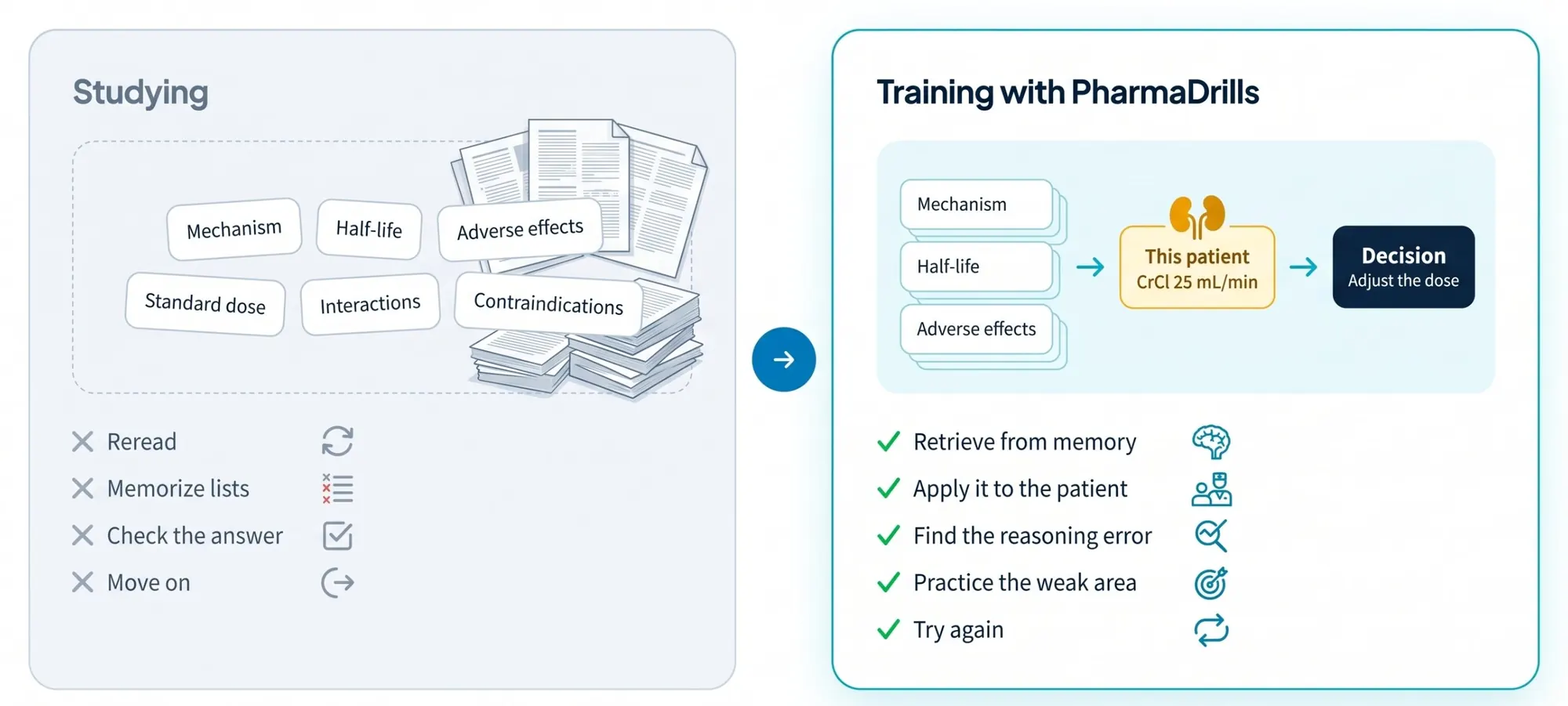
Use retrieval questions and clinical cases to complement lectures, textbooks and instructor guidance. Both correct responses and mistakes provide opportunities to examine your reasoning and identify concepts for review.
Module 1 · General Principles of Pharmacology · Free
Build the foundation for clinical pharmacology and therapeutics.
Module 1 is the first module of a planned ten-module Clinical Pharmacology and Therapeutics curriculum. Its five courses are designed as one connected foundation, best taken in this order:
- IntroductionDrugs, patients, evidence, benefit and safety
- PharmacokineticsDose → exposure over time
- PharmacodynamicsExposure → effect and response
- PGx & TDMWhy individuals respond differently
- Medication SafetyRecognizing and reporting harm
Later modules, released progressively, apply these principles to more specialized therapeutic topics — useful whether you are a student, a practicing professional or a researcher. Why Module 1 comes first →
Course 01 · Free
Introduction to Clinical Pharmacology
Connect mechanisms, patient factors, benefit and safety into one clinical reasoning framework.
Course outline and current access status shown on the course page.
Course 02 · Free
Pharmacokinetics
Relate dose to drug exposure and practice patient-specific dosing decisions.
Course outline and current access status shown on the course page.
Course 03 · Free
Pharmacodynamics
Link concentration and receptor action to benefit, harm and dose–response.
Course outline and current access status shown on the course page.
Course 04 · Free
Pharmacogenomics & Therapeutic Drug Monitoring
Interpret genetic information and measured drug concentrations when evaluating individualized therapy.
Course outline and current access status shown on the course page.
Course 05 · Free
Medication Safety, Adverse Reactions & Pharmacovigilance
Study strategies to recognize, prevent and report medication-related harm.
Course outline and current access status shown on the course page.
- All five courses, one free account
One module — General Principles of Pharmacology — with five connected foundational courses built around the same practice system.
Free during launch · No credit card required
Start Module 1 Free

Your instructor
Your instructor
Dr. Reza AnariPharmD, MSc, PhDDeveloped by a pharmacologist with research and teaching experience.
Dr. Reza Anari, PharmD, MSc, PhD, developed PharmaDrills from a background in pharmacology, toxicology, drug development, research and education, including work with Pfizer and Merck.
The educational goal is to develop clinical reasoning through focused practice, explanatory feedback and review of pharmacological principles.
Meet your instructor →Free Module 1 Trial
Start with the five-course pharmacology foundation.
Study the connected Module 1 courses and check the current practice options on each course page. Create a free account to begin.
Start structured pharmacology practice with Module 1.
Start with Module 1 — five courses, free during launch, no credit card required.
Course Catalog
8 published LearnDash Courses
Module 1 — General Principles of Pharmacology
1st Module, 5 courses. Study these connected foundation courses in the order shown.
Introduction to Clinical Pharmacology
Module 1 — General Principles of Pharmacology · Course 1 of 5 Role in Module 1: connects drugs, patient factors, evidence, benefit and safety.…
View Course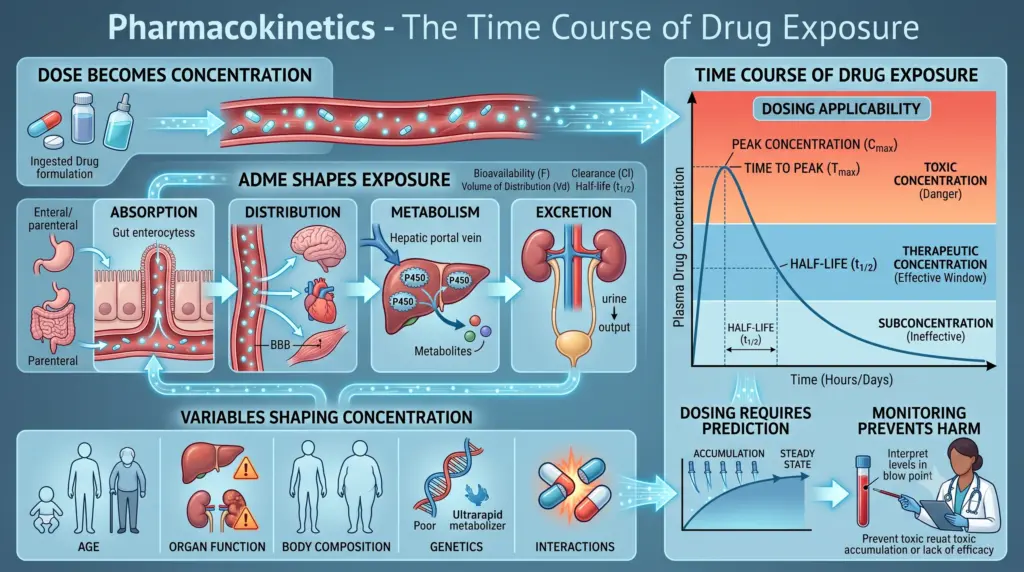
Pharmacokinetics
Module 1 — General Principles of Pharmacology · Course 2 of 5 Role in Module 1: connects dose with drug exposure over time. Recommended…
View Course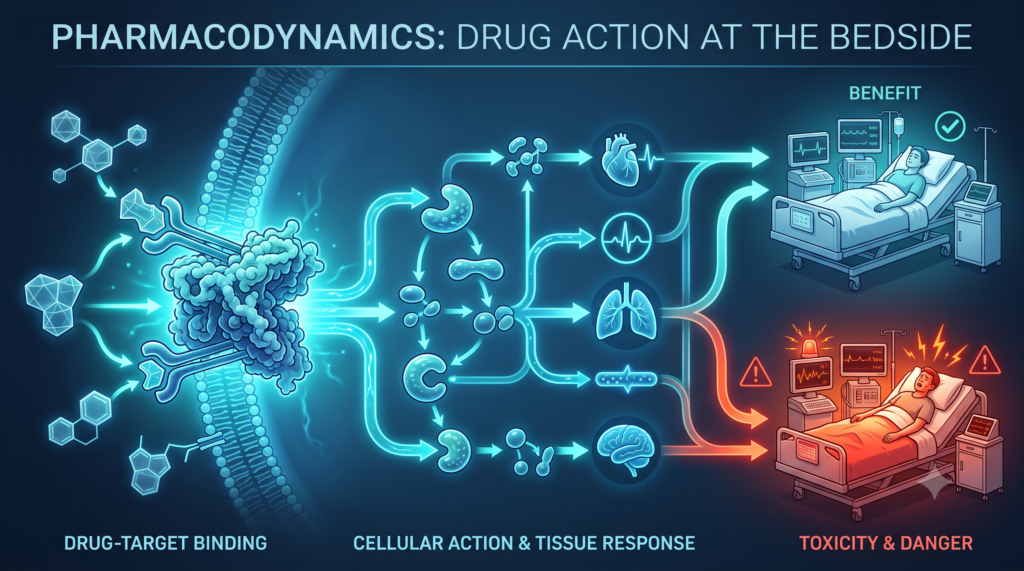
Pharmacodynamics
Module 1 — General Principles of Pharmacology · Course 3 of 5 Role in Module 1: connects exposure and drug–target interactions with effects and…
View Course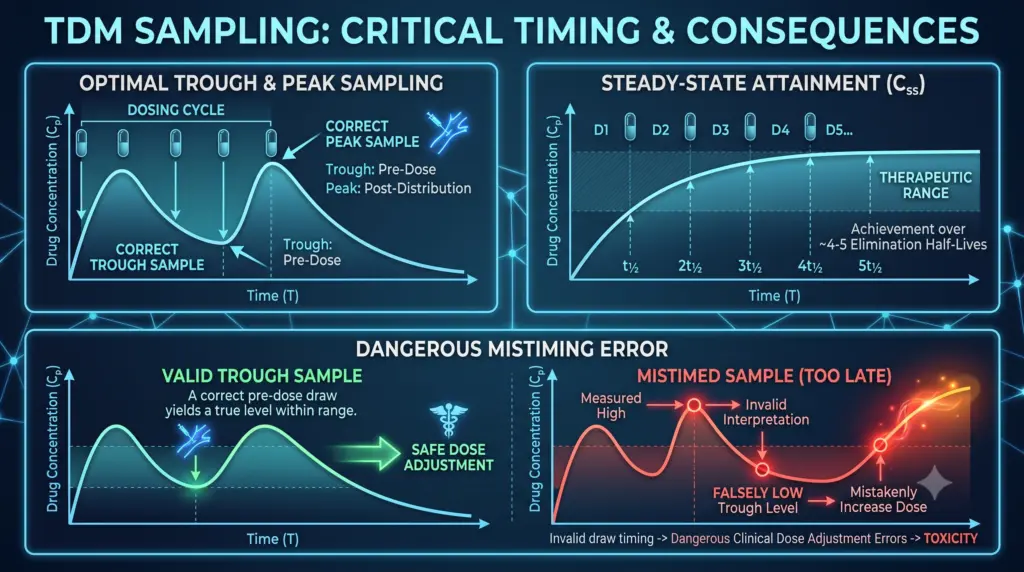
Pharmacogenomics & Therapeutic Drug Monitoring
Module 1 — General Principles of Pharmacology · Course 4 of 5 Role in Module 1: explores relevant variability and individual information, such as…
View Course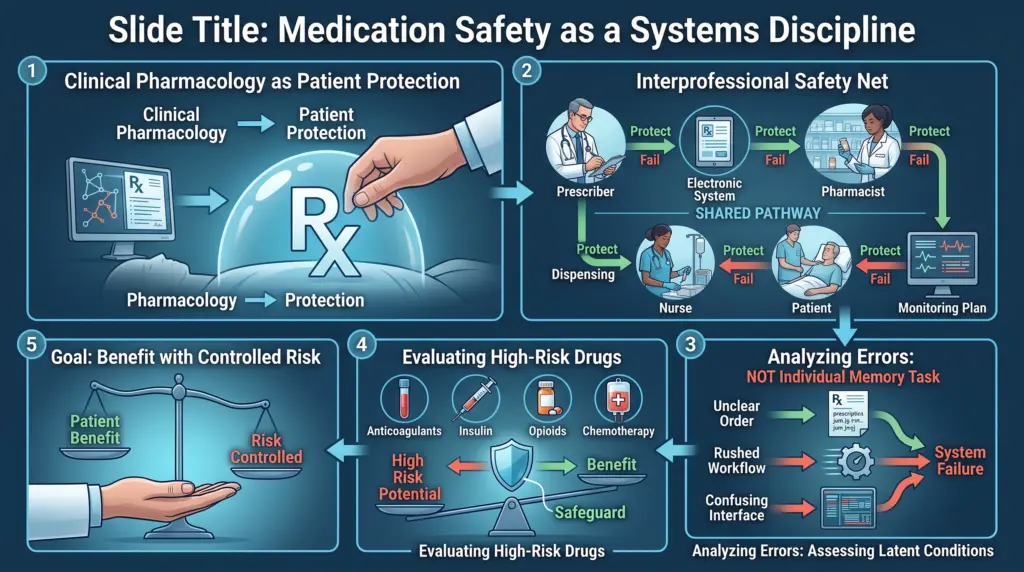
Medication Safety, Adverse Reactions & Pharmacovigilance
Module 1 — General Principles of Pharmacology · Course 5 of 5 Role in Module 1: recognizes, assesses, monitors and reports medication-related harm. Recommended…
View CourseAdditional courses
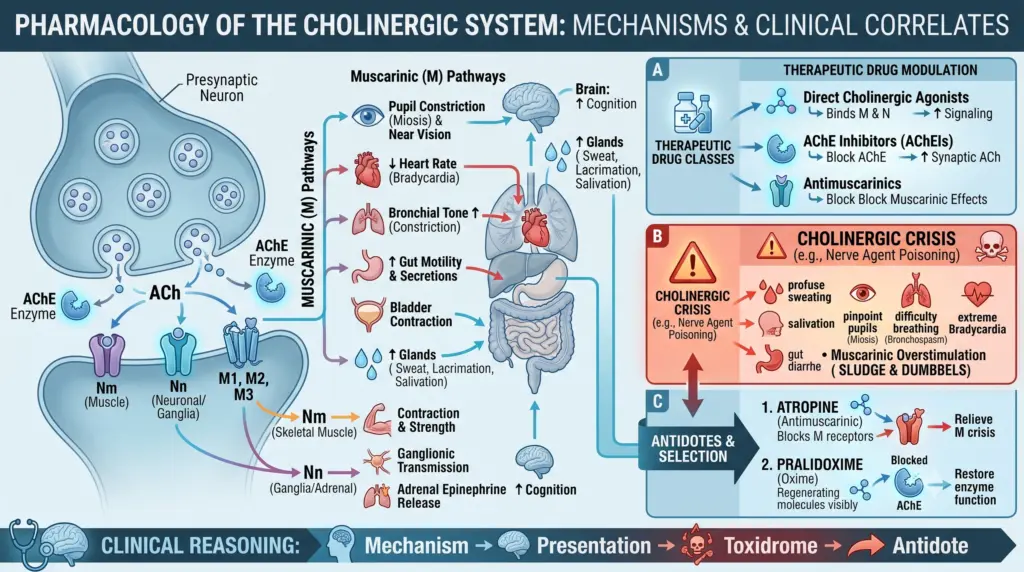
Autonomic Nervous System – Cholinergics
Explore the clinical pharmacology of cholinergic drugs, from receptor signaling and therapeutic uses to adverse effects, toxicity, and safe patient care.
View Course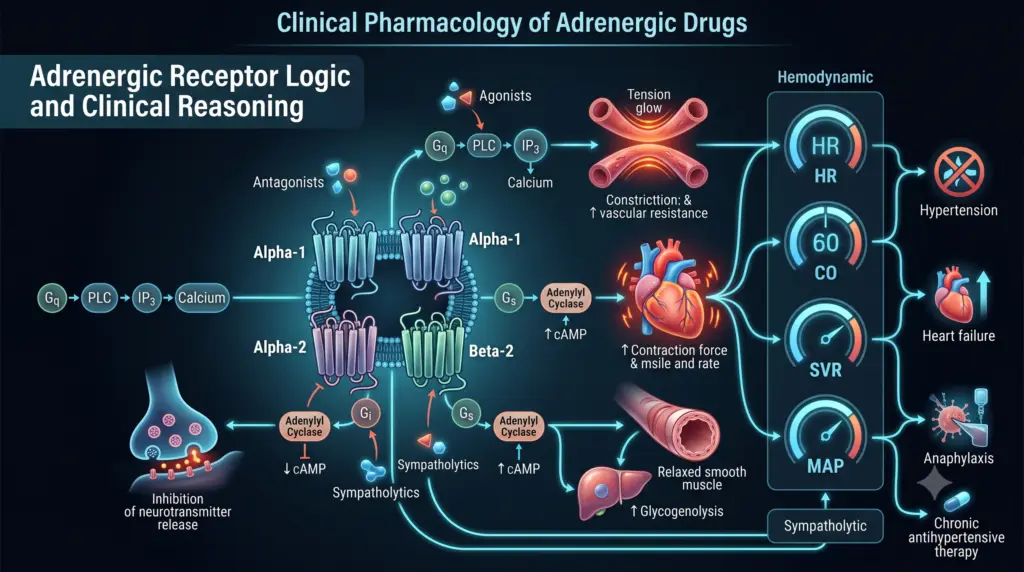
Adrenergic Drugs
Understand adrenergic receptors, signaling pathways, sympathomimetic and sympatholytic drugs, and their effects on hemodynamics, organ systems, and urgent clinical decisions.
View Course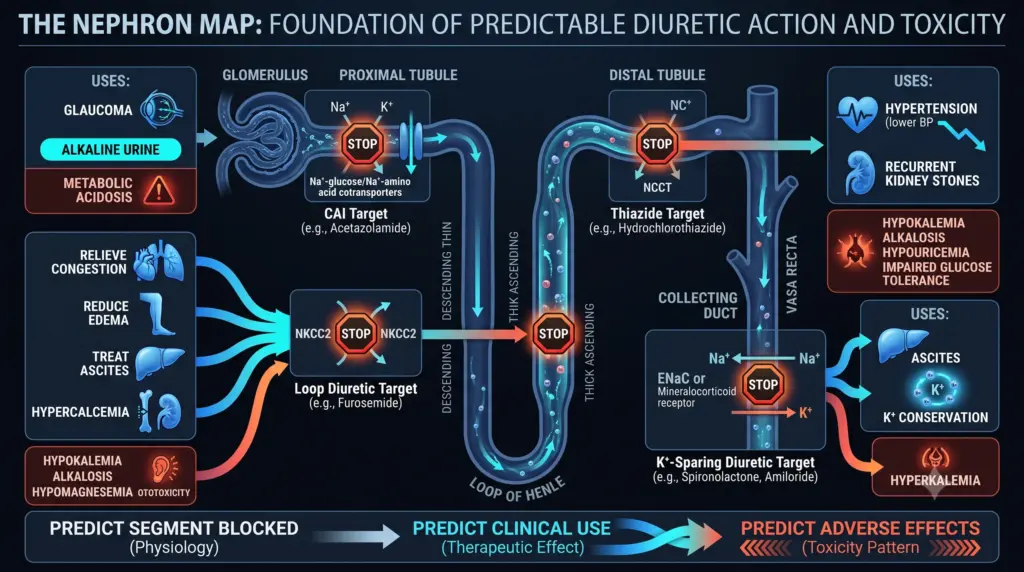
Diuretics
Understand how diuretics alter nephron transport, fluid and electrolyte balance, and how those mechanisms guide clinical selection, dosing, toxicity prevention, and monitoring.
View Course